Skip To Main Content
Menu Call Location
Call: 203-926-1897 110 Commerce Dr., Shelton, CT 06484
  • Home
  • Your Team
    • Our Physicians
      • Abe Fridman, DO
    • Our Staff
    • Our Facility
  • Your Weight Loss Surgery
    • Gastric Banding
    • Gastric Bypass
    • Gastric Sleeve
    • Revision Bariatric Surgery
    • da Vinci® Robotic Bariatric Surgery
  • Comprehensive Support
    • Community
    • Planetree Philosophy
    • On Track Program
    • Support Groups
    • Bariatric Exercise
    • Fitness Center
    • Post Surgery Nutrition
    • Concierge Service
  • Resources
    • Find a Free Seminar
    • Find a Support Event
    • FAQ
    • Financing and Insurance Form
    • Videos
  • Success Stories
  • Blog
    • Community Blog
    • In the Press
  • Contact Us
Close Menu
Category Header Image

Community Corner

Tips for Safe Summer Grilling

July 18, 2019

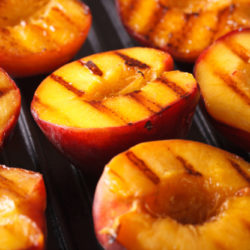
With the grilling season upon us you might find yourself reaching for lean grilled protein, such as fish or chicken, at your next BBQ. Traditionally, BBQ grilling has been touted by our weight loss surgeons as a healthier, and still tasty, way to prepare meat and poultry (when compared to cooking methods like frying). Grilling relies on heat from flames underneath the food, while frying/sauteing, uses fat (oil) to transfer heat to food. Fried foods, which are high in fat and calories, have also been linked to a risk of early death according to this study on the health dangers of fried food published in the BMJ. Comparatively, grilling your food uses little (if any) added fat making it a heart healthy and nutritionally superior choice. Unfortunately, grilling is not without its own caveats. Read on to learn our important tips on how to grill safely so you can enjoy that chicken healthfully and without guilt this season. HCAs (heterocyclic amines) and PAHs (polycylic aromatic hydrocarbons) are two compounds that are formed when meat, poultry, and fish are prepared using... Read More

Reduce Food Waste for Health, Financial, & Environmental Benefits

May 23, 2019

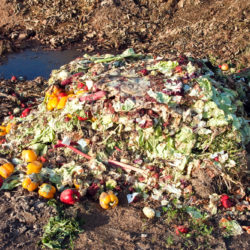
We’ve all been there – you stuff your fridge with colorful produce with the intention of eating nutritious meals all week. By the time Friday rolls around, all the food is still there and it’s not looking so fresh and some of it is past the “use by” date. What’s one to do? Turns out most of that food can still be eaten. Read on to learn tips on how to utilize your food instead of just throwing it out: Don’t take “use by” dates so seriously Those “Best if used by” and “Sell By” dates are not federally regulated. According to the USDA,  many food products (with the exception of baby formula) can be safely consumed after the date label phrase. Foods that have spoiled will have an off texture, flavor, or odor and should not be eaten. For more food safety information visit the USDA website. “Revive” your food Floppy carrots and limp lettuce and celery can be crunchy again and good as new when trimmed and soaked in water. Better yet, learn how to store your food... Read More

Model

How Can I Qualify for Bariatric Surgery?

April 29, 2019

Many patients who have struggled to lose weight through diet and exercise are curious if they qualify for bariatric surgery. Of course, two factors contribute to “qualification.” You can qualify for surgery, and you can qualify according to your medical policy. To help people better understand the approval process, our weight loss surgeons offer a quick overview of what medical insurance companies may require for approval for weight loss surgery, as well as the typical qualifications to be a candidate for a weight loss procedure. Two main aspects are considered when determining if a patient is a good candidate for a bariatric procedure: body mass index (BMI) and obesity-related health conditions. Each weight loss technique has slightly different requirements for BMI, which is usually modified based on whether an individual also experiences weight-related medical concerns. Generally speaking, the minimum BMI for any weight loss surgery is 35. As for the medical insurance approval process, this can vary dramatically from policy to policy. However, most insurances that cover bariatric surgery will require a patient to prove they have made a sincere... Read More

Three Things to Do This Week to Help You Eat Healthier

February 28, 2019

1. Plan your dinners for the next five days. Meal prep (prepping several meals at once) is great, but it’s not for everyone. An easier way to make sure you eat healthy? Plan out your meals for the week. Once you’ve figured out what you’re going to make, go food shopping for the ingredients. When you get home hang the list of daily meals on your fridge. This scheduling of meals will decrease the odds of getting take out, prevent food waste, save you money, and last but not least, will result in healthier eating. When you prepare your own meals (vs. eating out) you’re in charge of the ingredients. An added benefit to planning your weekly meals is that your household will also know what the plan is (list on fridge) and can help out by defrosting or cutting up ingredients before you get home. 2. Eat slower. How long does it take you to consume a meal? Three minutes? Five minutes? If you’re typically the first one to finish at the table you might want to consider slowing... Read More

Have Your Root Vegetables and Eat Them, Too!

January 25, 2019

With winter upon us, you might find yourself wondering what vegetables you should be eating. The answer? Root vegetables! While certain root vegetables (such as white potatoes) are not recommended for bariatric surgery patients due to their high carbohydrate content, there are plenty of other (less starchy) options to choose from this winter season. Root vegetables are high in fiber (1 cup of cooked carrots has 5 grams), low in calories, and chock full of antioxidants that provide additional health benefits. Some root vegetables to try this season include: beets, turnips, rutabaga, and radishes. Beets: Studies have shown that eating beets (also known as beetroot) may help fight chronic inflammation, reduce blood pressure, and possibly even improve athletic performance [1]. In addition, this vegetable is high in fiber, which promotes regularity and reduces constipation (note that eating beetroot can cause red urine or stool). Beets can be roasted, steamed, or eaten raw. Add them to your salad or coleslaw, pair them with goat cheese or fruit, or get creative and make beets into a pesto or horseradish. TIP: the beetroot... Read More

Previous Page Next Page
The Griffin Community
  • Cafe
  • Community Corner
  • Doctor's Office
  • Exercise
  • Fitness
  • News
  • Nutrition
  • Support
  • Weight Loss Surgery
Archive
  • 2026
  • 2025
  • 2024
  • 2020
  • 2019
  • 2018
  • 2017
  • 2016
  • 2015
  • 2014
  • 2013
  • 2012
  • 2011
  • 2010
Free Seminars

Register for our next free bariatric seminar

View Calendar
Support Groups

Every 2nd and 4th Tuesday of the month 6:00pm to 7:30pm

View Calendar
BMI Calculator
Submit
Get Started! We're here when you're ready
Attend a Free Seminar Find a Support Group
Connect Online
Call: 203-926-1897 Griffin Bariatrics110 Commerce Dr.,Shelton, CT 06484
Griffin Bariatrics Map
  • Home
  • Your Team
    • Our Physicians
      • Abe Fridman, DO
    • Our Staff
    • Our Facility
  • Your Weight Loss Surgery
    • Gastric Banding
    • Gastric Bypass
    • Gastric Sleeve
    • Revision Bariatric Surgery
    • da Vinci® Robotic Bariatric Surgery
  • Comprehensive Support
    • Community
    • Planetree Philosophy
    • On Track Program
    • Support Groups
    • Bariatric Exercise
    • Fitness Center
    • Post Surgery Nutrition
    • Concierge Service
  • Resources
    • Find a Free Seminar
    • Find a Support Event
    • FAQ
    • Financing and Insurance Form
    • Videos
  • Success Stories
  • Blog
    • Community Blog
    • In the Press
  • Contact Us
More From Griffin Health
  • Griffin Health Hospital
  • Griffin Hospital School of Allied Health Careers
  • Griffin Center for Healthy Living
  • Griffin Faculty Physicians
  • Yale-Griffin Prevention Research Center
  • Griffin Hospital Medical Education

Copyright © 2026 Griffin Bariatrics, All Rights Reserved.

Privacy Policy | Terms | SitemapAccessibility Statement

Bariatric Surgery Website by